
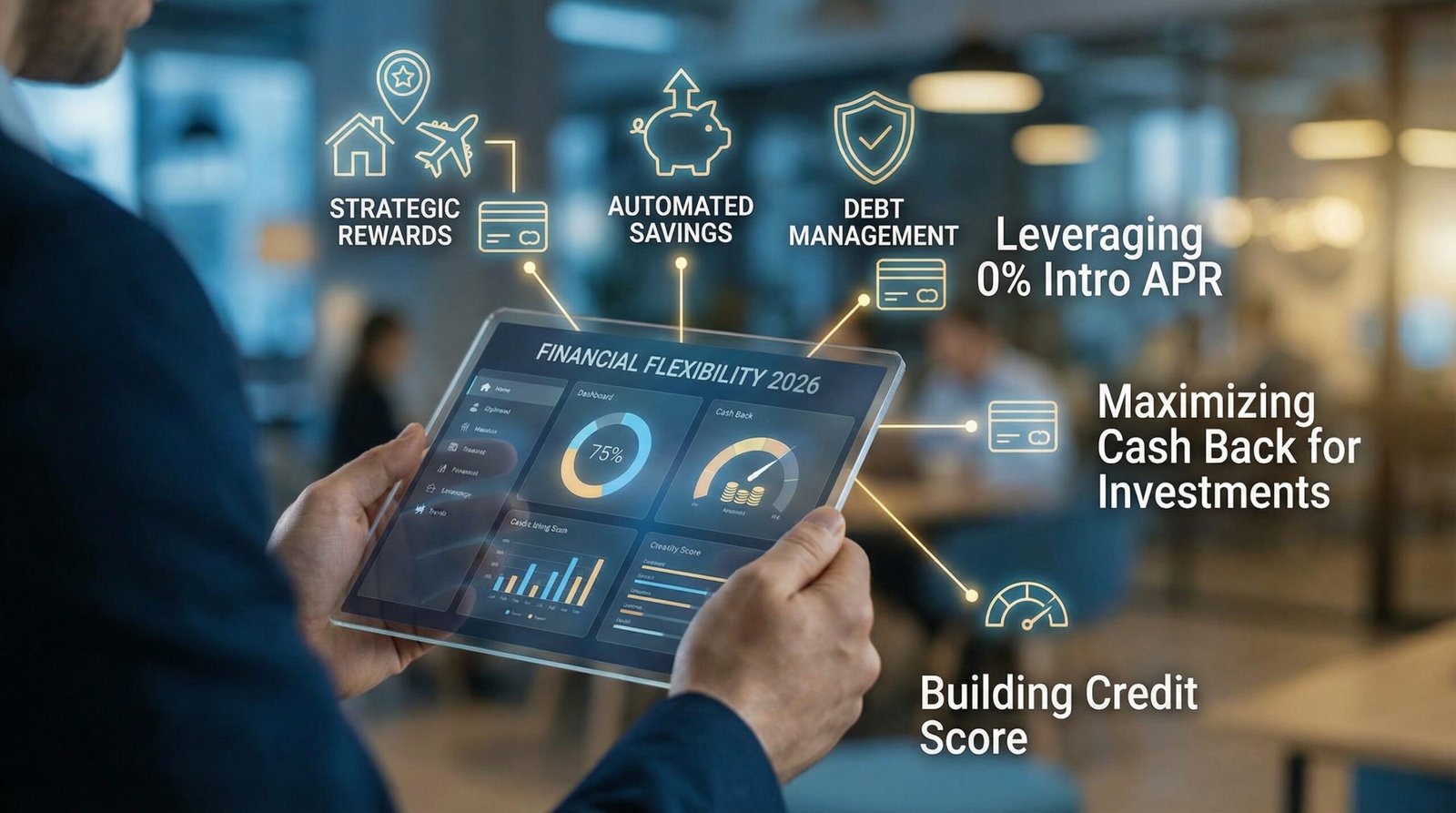
Credit cards have become one of the most flexible and empowering financial tools available to consumers in 2026. With improved transparency, smarter features, and better education around responsible use, more people are discovering how credit cards can support everyday spending, long-term planning, and overall financial confidence.
Rather than being viewed as something to avoid, credit cards today are widely used as strategic tools that help people stay organized, earn rewards, and maintain financial flexibility. When used thoughtfully, they offer convenience, control, and opportunities that align well with modern financial lifestyles.
Why Credit Cards Play a Bigger Role in Financial Flexibility
Financial flexibility is about having options—being able to manage expenses smoothly, adapt to changes, and plan ahead with confidence. Credit cards help support this flexibility by offering:
-
Immediate purchasing power when needed
-
Structured monthly payment cycles
-
Built-in tracking and digital tools
-
Opportunities to build and strengthen credit
In 2026, many consumers are using credit cards not just for spending, but as part of a broader financial strategy.
Using Credit Cards for Everyday Expense Management
One of the most common ways people use credit cards today is for routine expenses such as groceries, fuel, subscriptions, and utilities. By placing these predictable costs on a credit card, users gain:
-
A single, easy-to-track payment cycle
-
Clear monthly spending summaries
-
Additional time between purchase and payment
This approach allows for smoother budgeting and better visibility into where money is going each month.
Building and Maintaining Strong Credit Profiles
Credit cards remain one of the most effective tools for building and maintaining a healthy credit profile. In 2026, borrowers are increasingly aware of how responsible card usage supports long-term financial goals.
Positive habits include:
-
Making on-time monthly payments
-
Keeping balances within comfortable limits
-
Maintaining long-standing accounts
These practices help demonstrate reliability and consistency, which are key factors in credit scoring models.
Using Credit Cards as a Financial Buffer
Many people appreciate the flexibility credit cards provide when timing matters. Rather than disrupting savings or cash flow, a credit card can act as a short-term buffer for expenses that need to be handled promptly.
This flexibility allows users to:
-
Manage timing differences between income and expenses
-
Handle planned purchases smoothly
-
Keep emergency funds intact
When paired with responsible repayment, credit cards offer convenience without unnecessary stress.
Earning Rewards While Spending Normally
Another reason credit cards are popular in 2026 is the ability to earn rewards on everyday purchases. Many people choose cards that align with their lifestyles, offering benefits such as:
-
Cash back on common spending categories
-
Travel points or miles
-
Statement credits or purchase perks
Used thoughtfully, rewards programs turn routine spending into added value over time.
Digital Tools Make Credit Cards Easier to Manage
Modern credit cards come with powerful digital features that help users stay in control. Mobile apps and online dashboards now commonly include:
-
Real-time transaction alerts
-
Spending category breakdowns
-
Payment reminders and autopay options
-
Easy access to statements and balances
These tools make it easier than ever to stay organized and confident in managing credit.
Choosing Credit Cards That Match Personal Goals
In 2026, consumers are more selective about choosing credit cards that match their individual needs. Some prioritize rewards, others focus on simplicity, and many look for cards that support credit-building goals.
Key considerations often include:
-
Clear terms and transparent fees
-
User-friendly digital experiences
-
Customer support accessibility
Choosing the right card helps ensure a positive, long-term experience.
Credit Cards and Long-Term Financial Planning
Beyond day-to-day use, credit cards can support broader financial planning when used intentionally. Many people use them to:
-
Track spending trends over time
-
Separate personal and household expenses
-
Support larger financial goals responsibly
When integrated thoughtfully, credit cards complement other financial tools and contribute to overall stability.
A Positive Outlook for Credit Card Use in 2026
As financial education improves and lending tools continue to evolve, credit cards are increasingly seen as helpful, flexible resources. With clearer information, better technology, and greater awareness, consumers are using credit cards confidently and strategically.
The focus in 2026 is not on limitation—but on empowerment, organization, and choice.